The headline number
Seven times more likely to die in hospital
This is not a scare line. It is the Government's own data. When the Australian Institute of Health and Welfare matched death records to disability records, it found that disabled people were dying in hospital from causes that proper care could have prevented at seven times the rate of everyone else.
"Potentially avoidable" is the official term. It means deaths that could have been prevented with the right care or treatment. The AIHW counted these deaths for people it could identify through disability payments and services. That leaves out Western Australia and the Northern Territory, and it does not capture every disabled person. So the real figure is not smaller than seven times. It is very likely worse, because the people hardest to count are often the people hit hardest.
Why it happens
Hospitals are built for people who can speak up
A hospital runs on the patient telling staff what is wrong. Point to the pain. Answer the questions. Press the buzzer. Refuse the wrong medication. Ask for water. Many disabled people cannot do those things, or cannot do them fast enough to be heard. So they get missed.
The Disability Royal Commission spent years hearing this evidence. It did not mince words.
Disability Royal Commission, Interim Report, 2020
The Commission heard of disabled people being ignored, of doctors making unfounded assumptions, and of the pain and illness of a disabled patient being written off as just part of their disability. That last one has a name. It is called diagnostic overshadowing, and it kills people.
People with intellectual disability
Dying decades early, from things that were treatable
The largest Australian study of its kind linked the records of more than 19,000 adults with intellectual disability. It found they were dying young and dying from conditions that medicine already knows how to treat.
- 38 per cent of the deaths were potentially avoidable, against 17 per cent for people without intellectual disability.
- The middle age at death was just 54 years.
The researchers, led by Professor Julian Trollor at UNSW, put their conclusion plainly.
Trollor et al, BMJ Open, 2017
The NDIS worker who knows the person is the difference between staff who understand and staff who guess. Take that worker away and you are left with the system that produced these numbers in the first place.
Autistic people
Emergency departments can be the worst place to send us
Autistic people die earlier than the rest of the population. In New South Wales linked data covering nearly 36,000 autistic people, the death rate was more than double that of the general population. Part of that is the emergency department itself: the lights, the noise, the waiting, and staff who do not know how an autistic person shows pain.
A 2024 Australian study measured the barriers directly. Autistic adults reported far more trouble getting health care than anyone else.
- 79 per cent of autistic adults reported at least one barrier to health care.
- Nearly one in five reported eight or more barriers.
- The hardest were coping with the waiting room and getting staff to understand pain and symptoms.
The South West Autism Network here in WA says it as plainly as a parent would.
South West Autism Network
The national autism submission to the Royal Commission went further, and it is worth reading twice.
Autism Aspergers Advocacy Australia (A4), 2020
The risk that gets ignored
Suicide risk climbs when conditions stack up
Autistic people are far more likely to die by suicide. The risk is highest for autistic people who also have ADHD. In a large population study, autistic people without intellectual disability who also had ADHD were 13 times more likely to die by suicide than the general population.
People with schizophrenia carry a similar weight. About 1 in 20 will die by suicide over their lifetime. Australian data shows people who use mental health services live years less than everyone else, and most of those early deaths are from physical illness that went untreated, not the mental illness itself.
When support is missing
A man starved to death on an Australian ward
Stewart Kelly was 45 and autistic. He went into Robina Hospital on the Gold Coast in August 2022. He died there 33 days later, from starvation and dehydration. In a hospital.
The Queensland Health Ombudsman investigated and found systemic failures in the hospital's care, especially in recognising and responding to his disability. The health service admitted it.
Gold Coast Hospital and Health Service, 2023
This is what happens when the system does not understand the person in the bed. Cutting the workers who do understand does not save money. It sends more people down the same path.
A mother's words
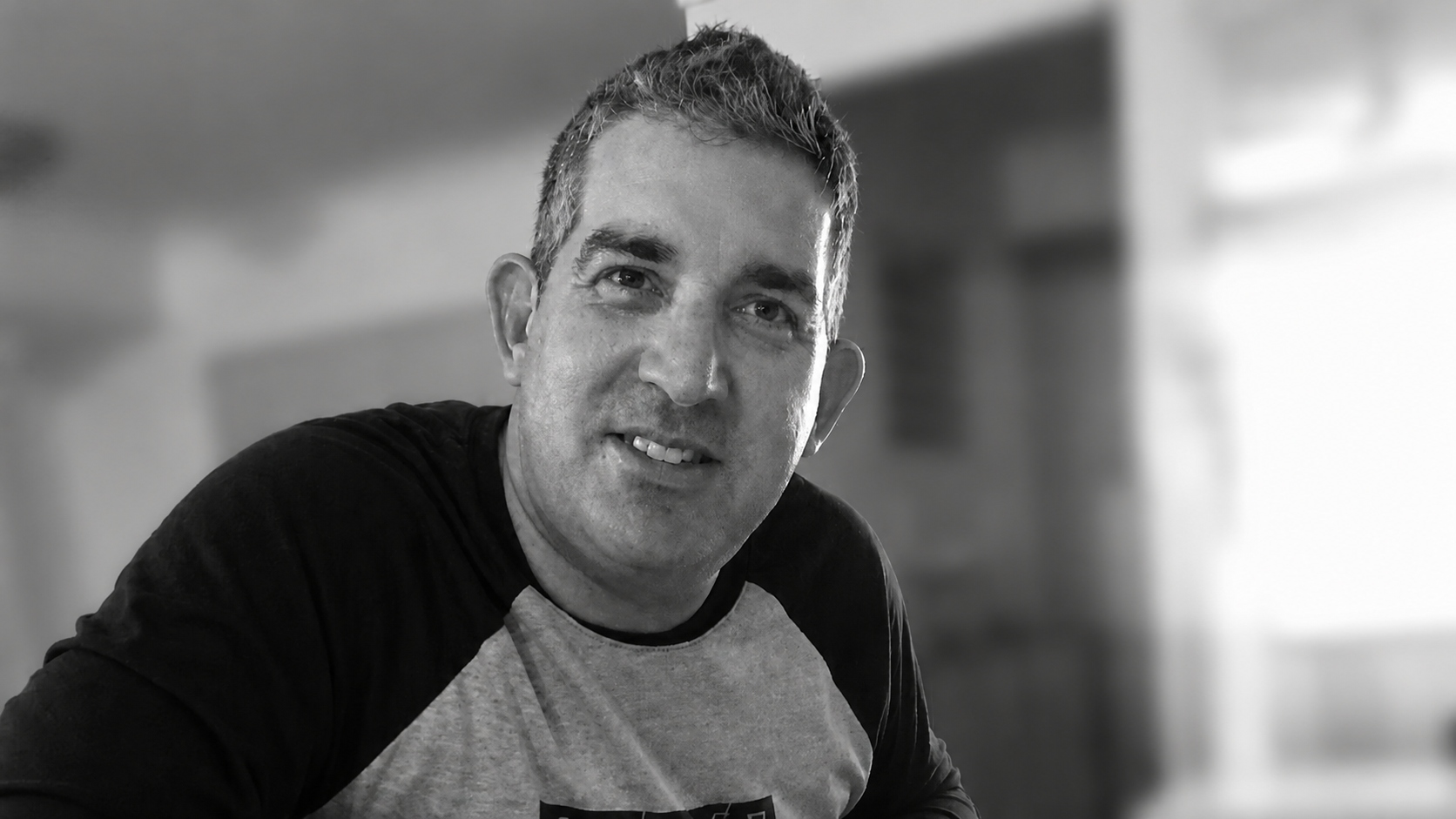
"These people are human beings with a right to live, a right to care, a right to everything that so-called normal, and I don't know what normal is, people are entitled to."Ann Jeffery · mother of Stewart Kelly, who died of starvation and dehydration in a Queensland hospital in 2022. Read the story
When support is missing
A man fell to his death because no one was watching
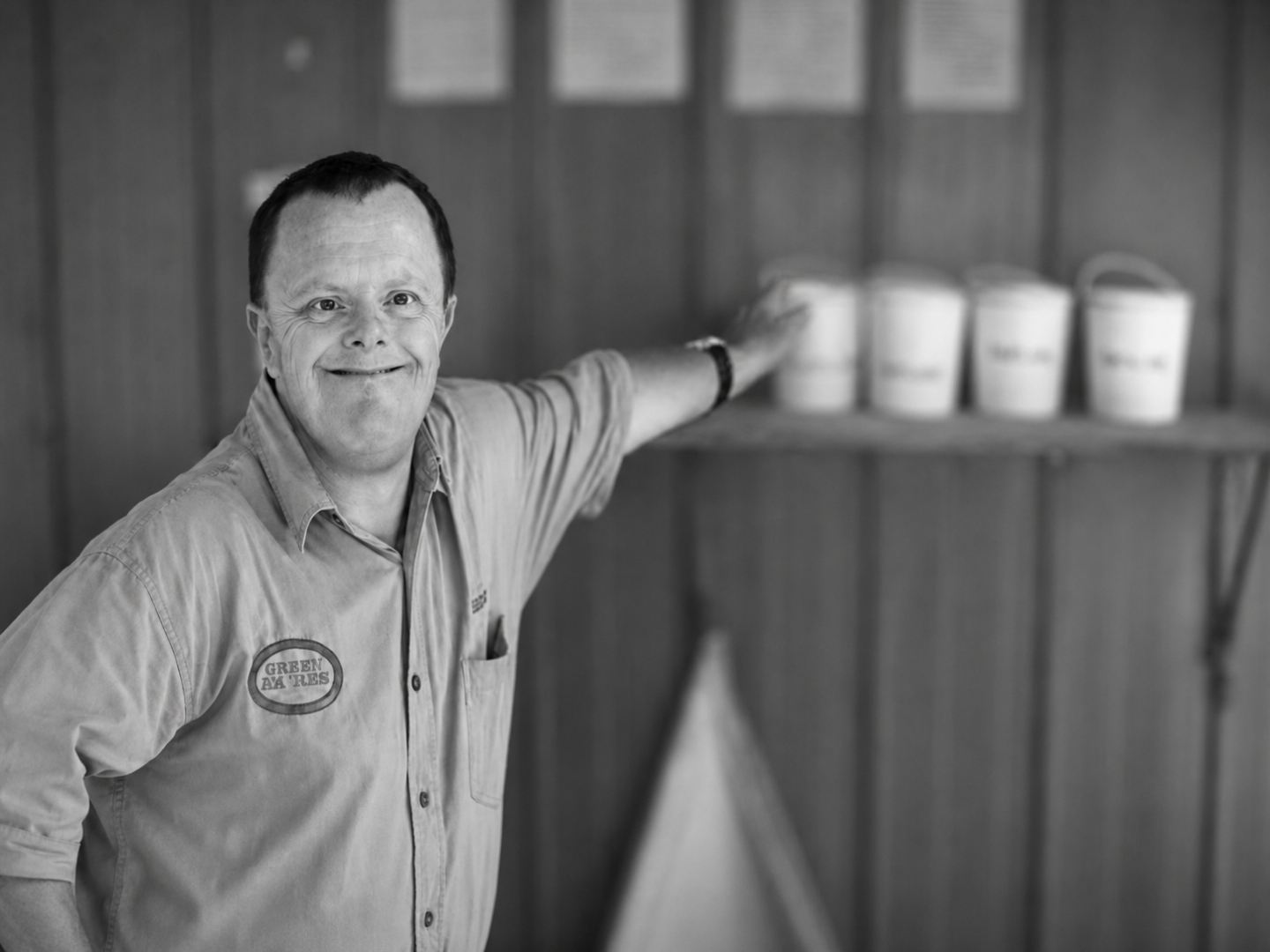
Kelvin Forrest was 53. He had Down syndrome and dementia. He died at Byron Central Hospital in northern New South Wales on 28 July 2018. In the night he left the ward through an unlocked glass door onto a balcony, squeezed through the structure, climbed down onto the loading dock roof and fell.
Kelvin was known to wander. During that same admission he had already wandered out onto a busy road. Staff had put one-to-one supervision in place for a time, then stopped it. The balcony door was left unlocked on purpose, because another patient became distressed when it was locked. His family had been fighting for extra NDIS funding for 24-hour support as his dementia progressed. The inquest found failures across the hospital, the disability provider and the NDIS.
The Deputy State Coroner was clear about what would have kept him alive.
Deputy State Coroner Harriet Grahame, NSW, 2022
A "special" is one worker assigned to stay with one patient. It is the exact support this Bill cuts. The coroner called Kelvin's death a tragic and preventable accident, and recommended that hospitals identify whether a patient is disabled or on the NDIS, record their disability-related needs, and properly assess anyone at risk of wandering. Read the ABC report, or the full coronial findings.
The bottom line
You cannot cut the care and call it safety
The support worker in a hospital is not a luxury. They are the person who reads the patient, catches the missed pain, and stops a treatable problem becoming a death. Every number on this page is what the ward already looks like with that support in place. The Bill takes it away.